
Abiding in love
and the quiet courage to untether.

Who taught you how to love?
Not in theory. But in practice. In the spaces where you were first shaped, long before you had language, before you had agency, before you even realized you were learning.
Because we all learned somewhere.
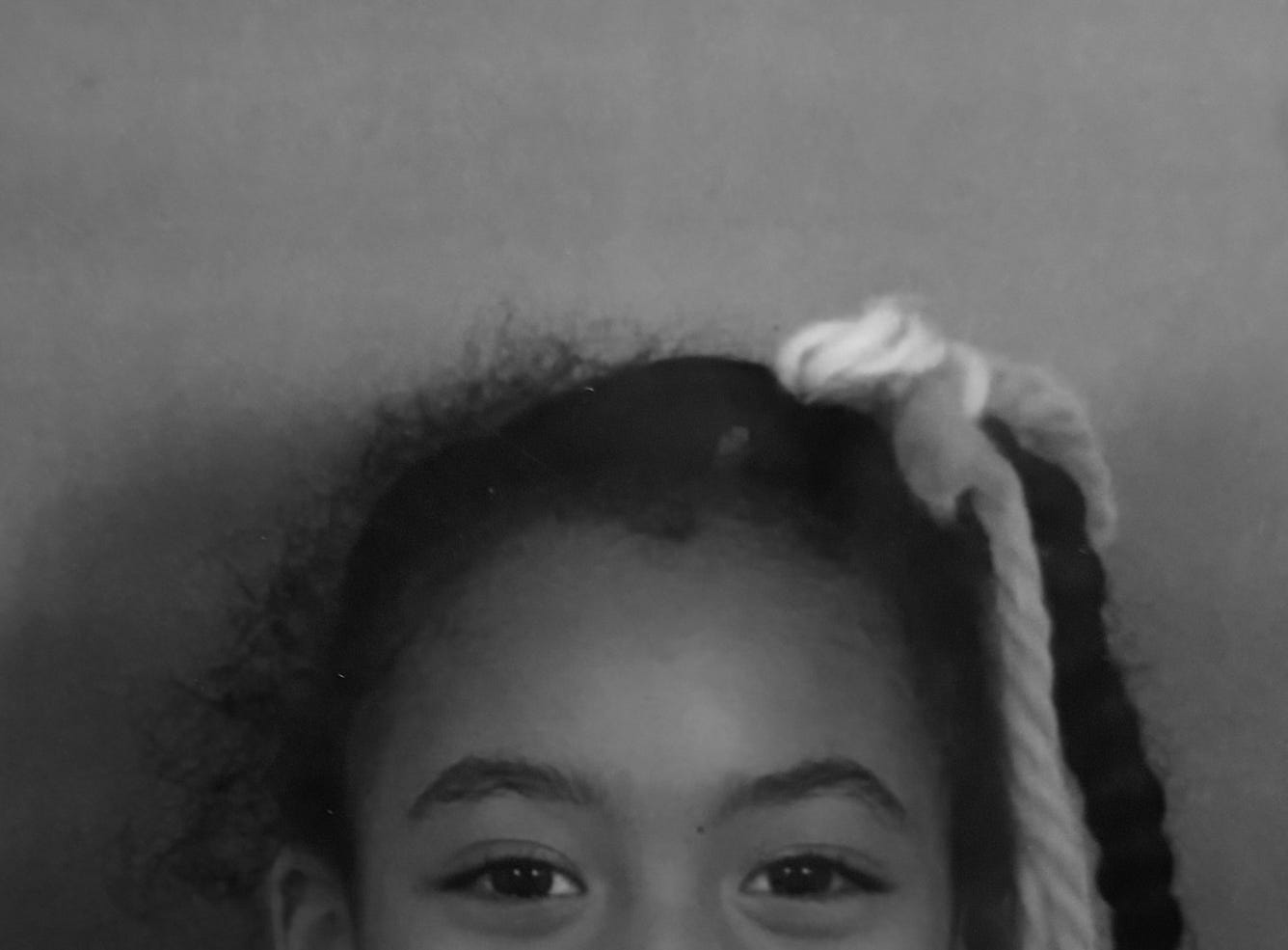
Through childhood environments that made us thrive or survive. Through caregivers who loved us, but maybe didn’t always know how to express it in ways that felt safe or consistent —often shaped by their own generational pain. Through unspoken rules about what love requires, what it tolerates, and what it looks like to be chosen.
We learned through tone. Through absence. Through reward. Through emotional availability (or the lack of it).
We learned how to read the room before we even learned how to read ourselves.
And that becomes conditioning.
As a woman on a healing journey, and as a board-certified family nurse practitioner, I’ve seen both personally and professionally how early attachment patterns, nervous system regulation, and repeated emotional experiences quite literally shape how we move through life. We don’t just “choose” how we love, we reenact what feels familiar to our bodies, even when it doesn’t feel good to our minds.
So we grow up and call it love.
We call it patience when we’re actually tolerating inconsistency.
We call it understanding when we’re overextending ourselves.
We call it chemistry when our nervous system is activated, not at peace.
And we carry that into everything.
Friendships.
Romantic relationships.
Even the way we relate to ourselves.
We don’t question it… because it feels familiar. But if you slow down long enough to really ask: did any of it ever feel like peace? Or did it feel like something you had to navigate, interpret, or earn?
Again, who taught you how to love?
At some point, that question stopped being about where I learned love, and started becoming about how I was practicing it.
Because it’s one thing to understand your conditioning. It’s another thing to interrupt it.
I’ve had to sit with the ways I stayed connected to what something once was, instead of honoring what it had become. The ways I gave the benefit of the doubt past the point of clarity. The ways I made space for potential, even when reality was asking me to be honest.
I’ve experienced love that felt undeniably real… and still recognized it wasn’t right for me to stay.
I’ve also walked away ‘love’ without needing every answer, simply because something in me knew peace was not present.
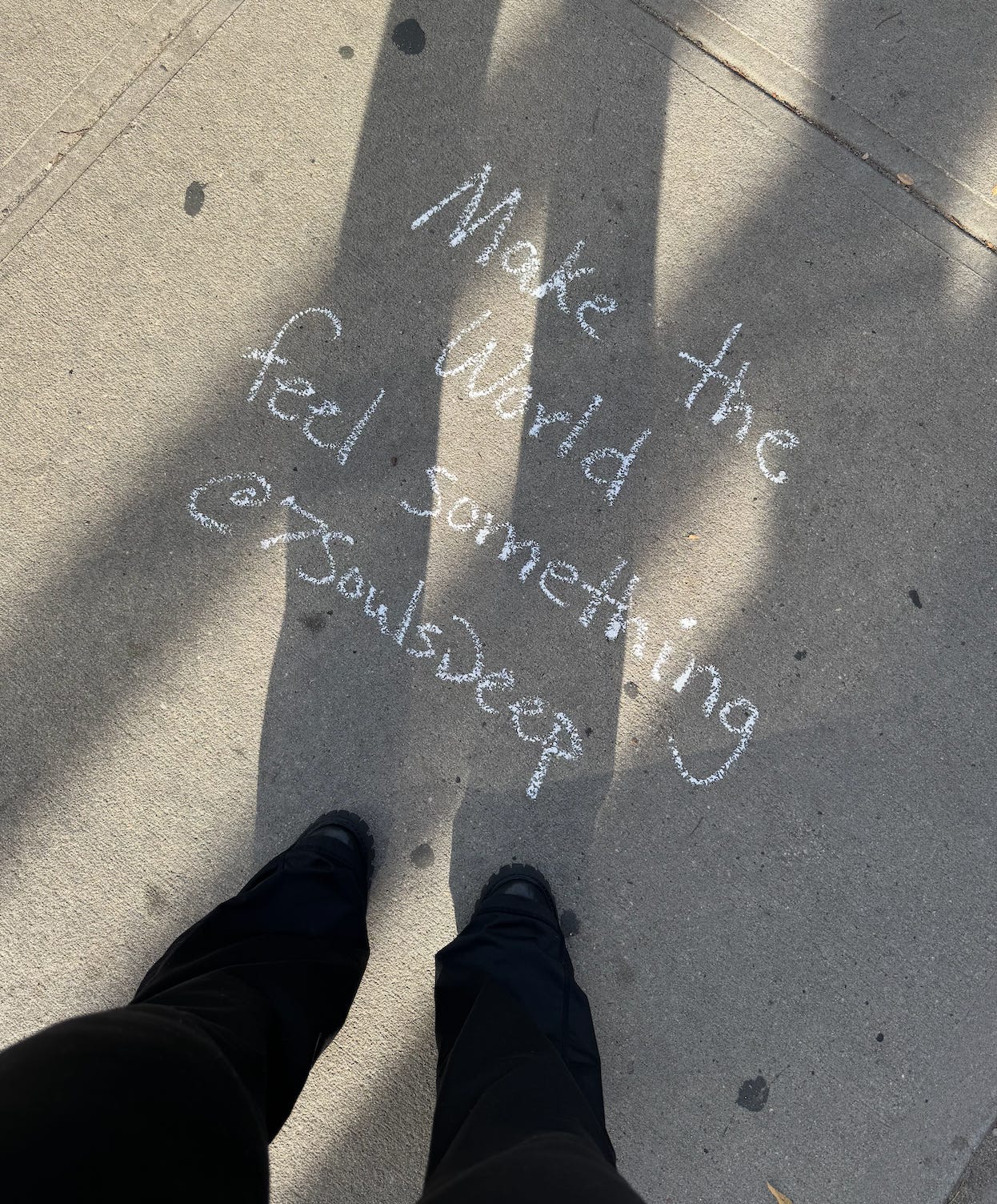
And that knowing didn’t come from logic. It came from awareness. And awareness changed how I define love.
Because I’ve come to understand that people often love at the level at which they’ve been loved, or at the level they’ve learned to tolerate. And when they finally encounter something deeper, more stable, more intentional, it can feel unfamiliar. Sometimes even undeserved.
And that’s where unworthiness quietly tries to settle in.
Not because the love isn’t real.
But because it doesn’t match what we’ve known.
I know how to love deeply. That was never an issue.
But I didn’t always know how to feel safe (within and without) while loving.
And that distinction matters.
Because love that requires you to override your own clarity, to quiet your intuition, or to constantly regulate the experience, will slowly disconnect you from yourself.
And if I’m honest, my faith is what redefined this for me!
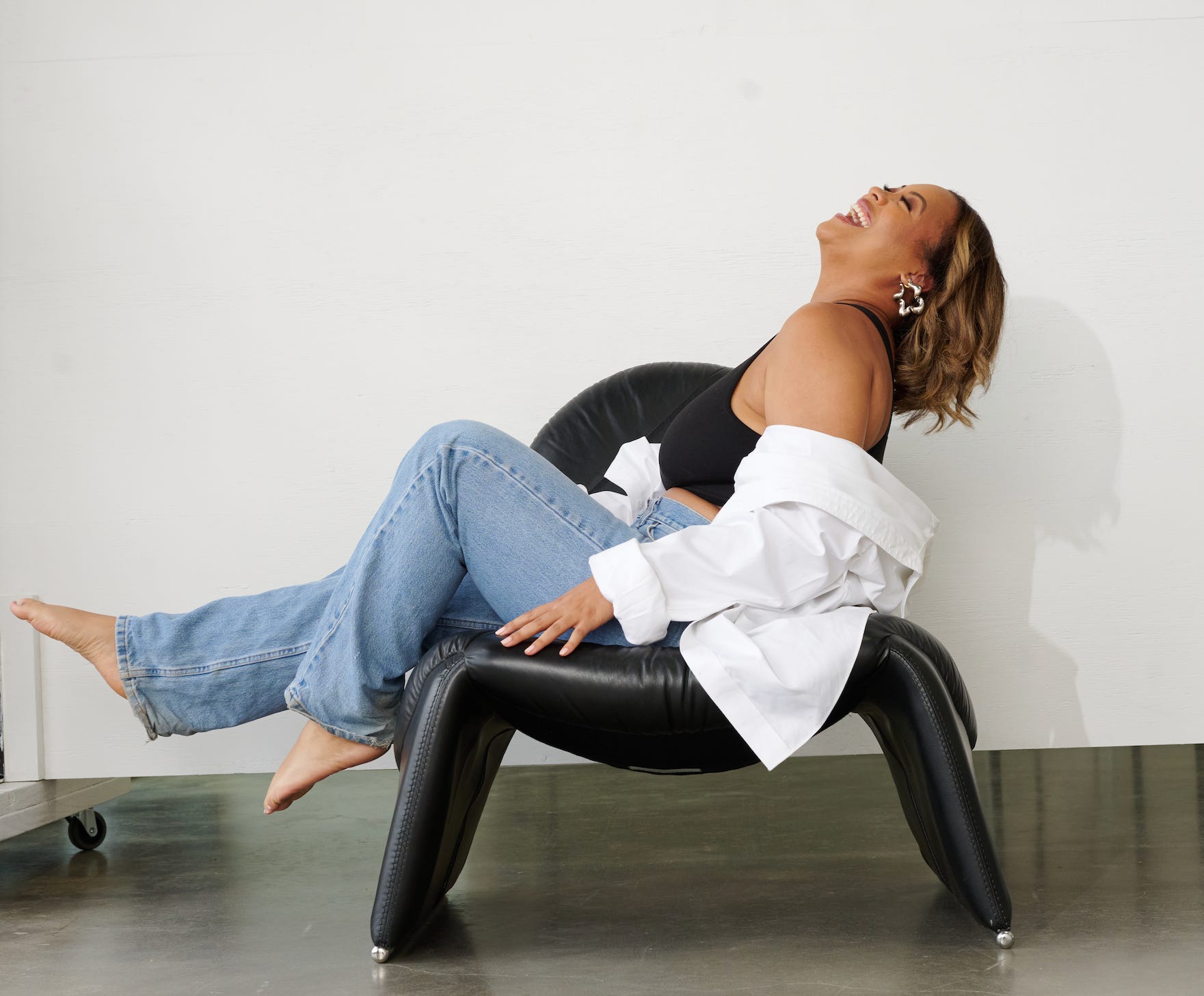
Scripture says, “God is love, and whoever abides in love abides in God, and God abides in him.” — 1 John 4:16
And that made me pause. Because if God is love… then love should reflect His nature.
Steady.
Grounding.
Not confusing.
Not performative.
Not something you have to chase or decipher.
God’s love doesn’t leave you anxious about where you stand. It doesn’t require you to abandon yourself to maintain it. It doesn’t fluctuate based on how well you perform.
It remains.
And when you begin to experience even a glimpse of that kind of love; real, anchored, ever-lasting and unconditional, it becomes harder to normalize anything that consistently produces anxiety, confusion, or self-doubt.
Not because you’ve become rigid.
But because you’ve become divinely aligned.
So now, when I ask myself who taught me how to love, I also ask:
How has the way I love evolved over time? Who and what have been my greatest teachers? I often think….
Where did I learn to overextend?
Where did I learn to stay too long?
Where did I learn to confuse intensity with intimacy… or inconsistency with effort?
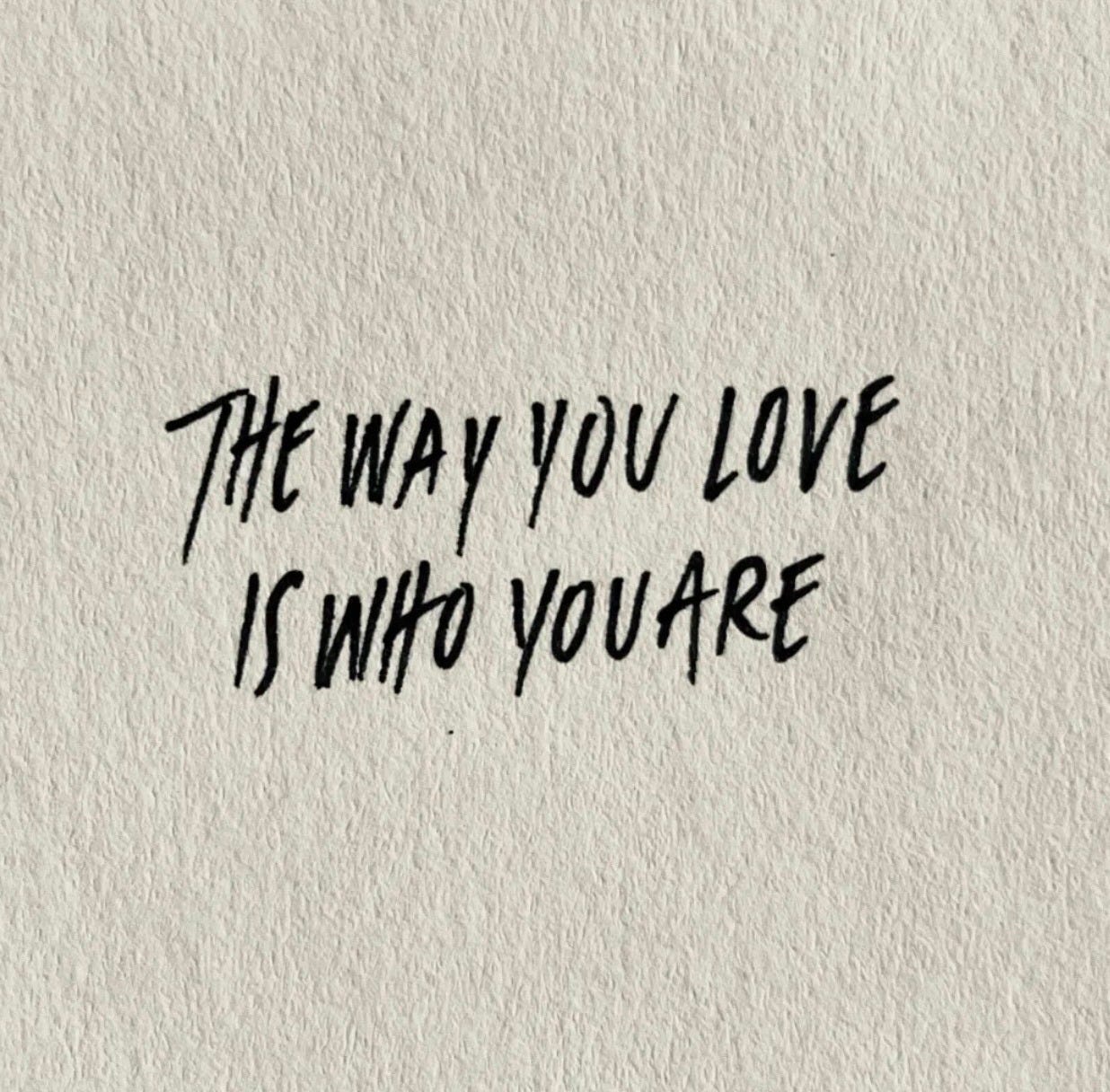
Now, if you’re open to it… read this again.
But this time, don’t think about your parents.
Don’t think about your past relationships.
Don’t think about who showed up, or who didn’t.
Read it with yourself at the center.
How do you love you?
What are the conditions of your self-love?
Do you offer yourself consistency?
Clarity?
Grace?
Truth?
Or do you recreate the same patterns internally… overextending, overexplaining, overcompensating, just to feel whole?
It may be time to untether.
Because the most devastating realization isn’t that someone else didn’t know how to love you.
It’s recognizing the ways you learned to live without deep, abiding love and accepted it as normal.
#confessionsofalovergirl
Shauntavia
Wow… there’s so much to unpack here, and so many valid points that truly made me pause and reflect. This is really good.